
I once nearly passed out on the mile run in middle school PE.
Sweat dripping, legs burning, my teacher yelling "Faster!" — all for a patch I wasn't even sure I'd get.
Maybe I'm not alone in this.
Back then, it felt like a rite of passage.
Now in 2025, it's back — and it's more than just a test.
On July 31st, 2025, a brand-new executive order from former President Donald Trump reinstated the Presidential Fitness Test across public schools.
The goal? To rebuild a culture of physical strength, personal discipline, and yes — even patriotism — starting with the youth.
But it's not just about scoring high on a mile run.
This revival is deeply tied to public health concerns, like the alarming rise in childhood obesity and sedentary lifestyles.
And behind the scenes, the President's Council on Sports, Fitness & Nutrition (PCSFN) is leading a full-on national movement to support schools, families, and communities.
So let's be honest…
This isn't just about gym class anymore.
It's about national well-being. And whether you're a student, a parent, a coach, or just someone who wants to understand what's happening — this guide is for you.
Here's what we'll cover:
- What is the Presidential Fitness Test, and how did it start?
- Why was it brought back now, and who made the call?
- How does the 2025 version compare to the original?
- What exactly does the test include? (Spoiler: it's not just sit-ups.)
- How can you train or help someone prepare?
- What role does the PCSFN play, and how can you get involved?
Honestly, here's the deal:
This guide is more than a history lesson — it's a resource, a conversation starter, and a fitness playbook rolled into one.
Let's dive in — because ready or not, the test is here.
2025 Update at a Glance:
- Executive Order: Reinstated on July 31st, 2025.
- Primary Goal: To combat sedentary lifestyles and rebuild national physical excellence.
- Key Entity: Led by the President's Council on Sports, Fitness & Nutrition (PCSFN).
- Standard: Moving beyond the 1966 original to a data-driven 2025 performance model.
🏆 The 1985 Presidential Fitness Challenge Calculator
Can you still earn the Presidential Patch? Test yourself against the legendary 1985 standards!
What is the Presidential Fitness Test?
Unlike generic fitness benchmarks, the 2025 Presidential Fitness Test requires meeting specific percentile goals. Based on our 2025 updated dataset, the following chart outlines the 85th percentile requirements — the 'Presidential' level — for students to qualify for national recognition.
| Age Group | Pull-Ups (Boys/Girls) | 1-Mile Run (Min:Sec) | Shuttle Run (Sec) |
|---|---|---|---|
| Age 10 | 2 / 1 | 9:48 / 11:22 | 11.5 / 12.1 |
| Age 13 | 4 / 1 | 7:41 / 10:23 | 10.2 / 11.1 |
| Age 15 | 6 / 1 | 7:30 / 10:23 | 9.8 / 11.0 |
| Age 17 | 8 / 1 | 7:04 / 10:22 | 9.4 / 11.0 |
The 5 Core Components of the 2025 Test
- Curl-ups: Measures abdominal strength and muscular endurance.
- Shuttle Run: Evaluates speed, agility, and quick-response coordination.
- Sit and Reach: Assessment of lower back and hamstring flexibility.
- Pull-ups: The ultimate benchmark for upper body muscular strength.
- 1-Mile Run: A critical measure of cardiovascular heart and lung capacity.
The History of the Presidential Fitness Test: From 1966 to the 2025 Revival
Before there were Fitbits or Instagram fitness challenges, there was the Presidential Fitness Test.
And honestly, it started with fear — not of getting sore, but of falling behind the world.
Back in 1956, then-President Dwight D. Eisenhower received a shocking report.
According to the Kraus-Weber test, over 57% of American children failed basic strength and flexibility assessments — compared to just 8% of European kids.
That lit a fire under policymakers.
The Cold War was heating up, and physical fitness suddenly became a matter of national security.
The idea? If kids couldn't climb ropes or run a mile, how could the country defend itself in the future?
So, Eisenhower created the President's Council on Youth Fitness, and with it, a national push to standardize physical testing in schools.
By the 1960s, President John F. Kennedy took it even further.
He believed fitness was patriotic — famously writing, "Physical fitness is not only one of the most important keys to a healthy body; it is the basis of dynamic and creative intellectual activity."
The test became legendary:
- Pull-ups
- Sit-ups
- Shuttle run
- The 50-yard dash
- The dreaded 1-mile run
It wasn't just for fun — it came with awards.
Hit the 85th percentile for your age and gender? You'd earn the Presidential Physical Fitness Award — a patch, a certificate, and serious bragging rights.
But over time, attitudes began to shift.
By the 2000s, educators and health experts raised concerns.
The test, they said, emphasized performance over health, and could lead to shame or exclusion, especially for kids with different body types or abilities.
In 2013, the Presidential Fitness Test was officially replaced by the Presidential Youth Fitness Program, a more inclusive system that focused on personal improvement and overall wellness — not raw numbers.
That seemed like the end of it.
Until now.
In 2025, the return of the original test — complete with percentiles and performance benchmarks — is sparking heated conversations.
Some see it as a throwback.
Others, a much-needed wake-up call.
Either way, the Presidential Fitness Test is back — and knowing where it came from helps us understand what it means today.
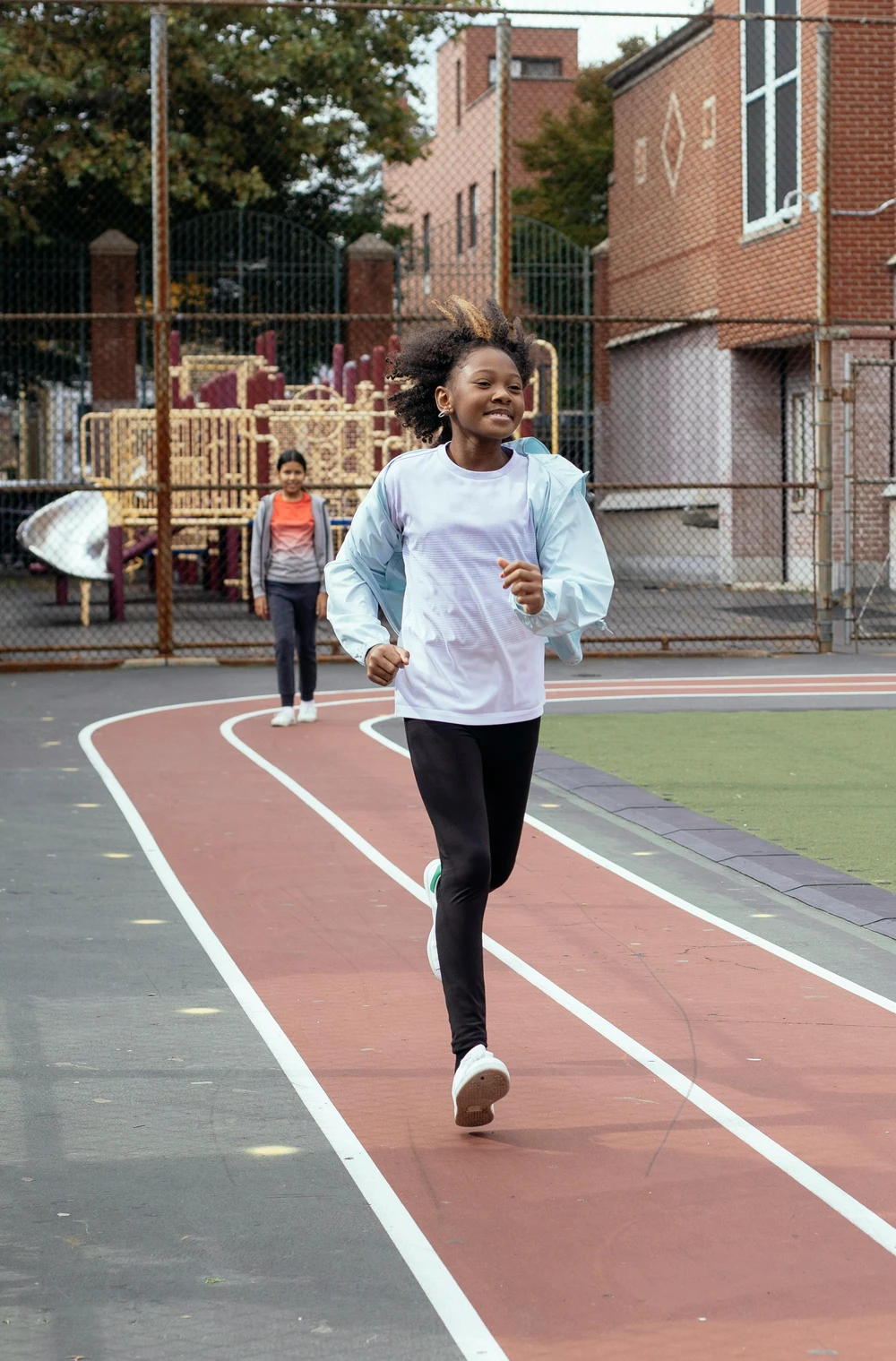
What's Actually on the Test? (And How Is It Scored?)
So what exactly are students being tested on in 2025?
Short answer: pretty much the same stuff that wrecked your gym class back in the day — with a few modern updates.
The Presidential Fitness Test includes the following components (based on age-appropriate variants):
- Pull-Ups or Flexed Arm Hang
- Boys typically perform pull-ups
- Girls may opt for the flexed arm hang
- Scored by number of seconds or reps
- Sit-Ups or Curl-Ups (1 Minute)
- Measures core endurance
- Usually tested over 60 seconds
- 50-Yard Dash
- Tests speed and acceleration
- Requires explosive power and technique
- Shuttle Run (4x10 meters)
- Tests agility, coordination, and quick changes in direction
- 1-Mile Run or Walk
- Focused on cardiovascular endurance
- Can be completed as a jog or fast-paced walk depending on age
These may feel basic, but the scoring is where things get tricky.
How the Scoring Works
The 2025 version follows a similar percentile-based system as past tests:
- Presidential Award: Score at or above the 85th percentile for all events
- National Award: Score at or above the 50th percentile
- Participant Award: Complete the test, regardless of score
Scores are adjusted by age and gender, using percentile charts based on national fitness data.
So a 10-year-old boy and a 14-year-old girl wouldn't be expected to hit the same number of pull-ups.
👉 Want a sneak peek?
Here's what it used to take to earn a Presidential Physical Fitness Award:
| Age | Boys (Pull-Ups) | Girls (Flexed Arm Hang) | Mile Run Time |
|---|---|---|---|
| 10 | 6–8 | 12–15 sec | Under 8:00 |
| 12 | 8–10 | 15–20 sec | Under 7:30 |
| 14 | 10+ | 20+ sec | Under 7:00 |
Note: The official 2025 scoring charts are expected to be released soon via the President's Council on Sports, Fitness & Nutrition website.
Pro Tip: Encourage students to track their personal improvement alongside percentile goals. Progress matters — even if you're not breaking speed records.
And don't worry — we'll break down training strategies in the next section.
But first, let's talk about why this is all coming back in 2025… and what people are saying about it.
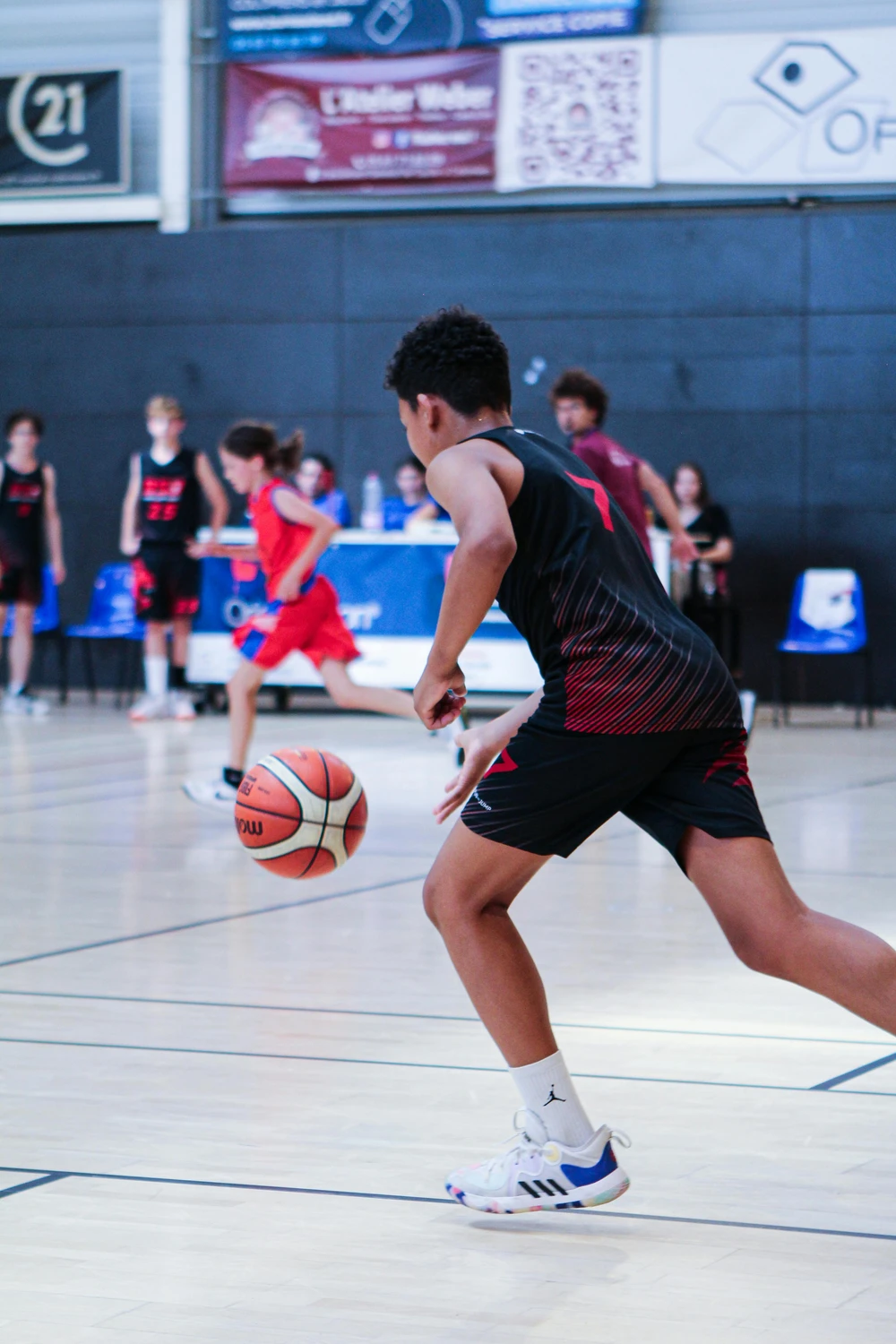
Why Bring It Back in 2025? (Meaning, Motives & Debate)
Let's be real: a lot has changed since the last time the Presidential Fitness Test was a thing.
So… why bring it back now?
The answer is complicated — part health crisis, part politics, and part national identity.
The Stats That Sparked It All
As of early 2025, the CDC reported that nearly 1 in 4 children in the U.S. is considered obese.
Add to that the decline in physical activity since the pandemic — plus increased screen time — and the numbers get even worse.
It's not just about weight.
We're seeing more kids struggling with endurance, mobility, and basic coordination.
The U.S. Surgeon General even called it "a silent public health emergency."
So when former President Trump signed the Executive Order on July 31, 2025, bringing back the Presidential Fitness Test, his team framed it as a way to:
- Combat obesity and sedentary behavior
- Restore discipline in public schools
- Promote national pride through physical strength
The Debate
- Supporters (mostly parents, coaches, and traditionalists) argue that kids need structure and measurable fitness goals.
- Critics, including some educators and pediatricians, worry it could lead to shaming, anxiety, and unfair standards.
- Some school districts are pushing for opt-out clauses, especially for students with disabilities or mental health concerns.
The Middle Ground?
The President's Council on Sports, Fitness & Nutrition (PCSFN) has hinted that the 2025 rollout will include more flexibility, such as:
- Mental health awareness training for PE teachers
- Inclusive scoring models for students with IEPs
- Optional "growth-based" awards alongside percentile rankings
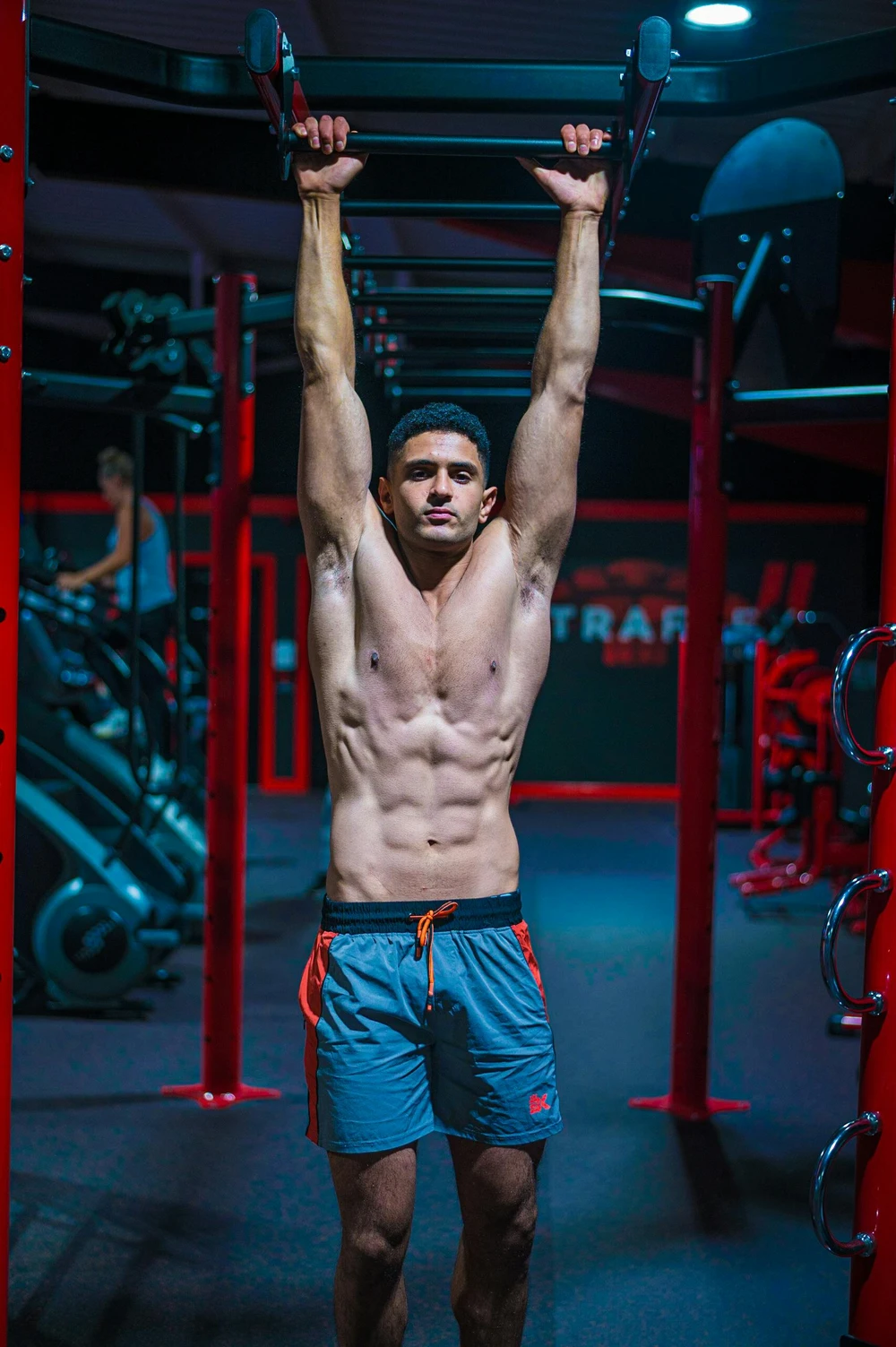
How to Prepare for the Presidential Fitness Test (Without Freaking Out)
Let's be honest — if someone told me tomorrow I had to pass the 1-mile run again, I'd probably panic.
Especially after sitting at a desk for eight hours.
But here's the good news: you don't need to be a pro athlete to prepare — just a little consistent effort goes a long way.
And whether you're a student taking the test, or a parent helping your kid get ready, this guide's got your back.
Training Tips by Test Component
- Pull-Ups / Flexed Arm Hang
- Start with negatives: Jump up and lower yourself slowly
- Use resistance bands for support
- Practice dead hangs to build grip strength
- Sit-Ups / Curl-Ups
- Train core 3x/week with exercises like planks, bicycle crunches, slow-tempo sit-ups
- 50-Yard Dash
- Focus on form with short, fast strides
- Use short sprints with full rest to build explosive speed
- Shuttle Run
- Practice turning on your inside foot
- Work on balance and coordination with single-leg hops
- 1-Mile Run
- Alternate between run/walk intervals
- Aim to run at least 3x per week
🏃♂️ Train Smarter at Home
Preparing for the test requires consistent practice. The right equipment can make training safer, more effective, and even fun. Here are our top picks for home training gear:
For the 1-Mile Run
Foldable Treadmill - Perfect for small spaces. Train for endurance anytime, regardless of weather.
For Pull-Ups & Core
Pull-Up Bar - The most affordable way to build upper body strength.
For Shuttle Run & Agility
Agility Speed Ladder - Drastically improve footwork, coordination, and speed.
For Schools & Athletic Facilities: PE departments outfitting training spaces need equipment built for daily student use. Ntaifitness offers commercial-grade strength and cardio machines designed for high-traffic school environments. Explore institutional solutions →
Bonus: Fueling Your Body Right
The President's Council on Sports, Fitness & Nutrition recommends following the MyPlate method:
- Half your plate: fruits & veggies
- Lean protein: chicken, beans, tofu
- Complex carbs: brown rice, oats
- Hydration: water > sugary drinks
Mindset Matters, Too
Fitness tests can be stressful — even intimidating. But shifting the focus to progress over perfection changes everything.
- Set personal goals
- Celebrate small wins
- Avoid comparison
👉 Want a done-for-you training plan?
Check out free options on YouTube by certified youth trainers, or download the PCSFN's sample workout calendar at odphp.health.gov.
What Is the PCSFN and Why Does It Matter? (History & Mission)
If the Presidential Fitness Test is the what, then the President's Council on Sports, Fitness & Nutrition is the who behind it all.
A Brief History
The PCSFN was first created in 1956 under President Eisenhower as the President's Council on Youth Fitness.
Fast-forward through the decades:
- 1960s–70s: Presidents Kennedy and Johnson expanded its mission to nationwide physical readiness
- 1980s: Supporting community and military fitness programs
- 2010: Renamed under President Obama to the President's Council on Sports, Fitness & Nutrition
Today, the PCSFN operates under the U.S. Department of Health and Human Services (HHS).
Core Mission
To promote, encourage, and motivate Americans of all ages to become physically active and eat healthy through programs and partnerships with schools, businesses, and communities.
The PCSFN's Key Programs and Resources (2025 Edition)
1. Presidential Active Lifestyle Award (PALA+)
PALA+ encourages kids, families, and adults to complete 60 minutes of physical activity per day and healthy nutrition goals. Complete it for 6 weeks to qualify for a certificate.
2. National Youth Sports Strategy (NYSS)
The nation's first federal blueprint to increase youth sports participation, focusing on accessibility, inclusion, and partnerships.
3. National Physical Fitness and Sports Month (May)
Every May, PCSFN leads fitness challenges, community events, and social media campaigns like #MoveInMay.
4. Educator Resources
Teachers can access free lesson plans, printable fitness logs, activity posters, and training charts aligned with current PE standards.
5. Community & Facility Support
PCSFN provides mini-grants for youth sports programs, community toolkit PDFs, and guidance for facility managers planning school or community fitness center upgrades.
Check out health.gov/PCSFN for toolkits, award sign-ups, and community fitness grant info.
What's New in 2025: Leadership, Priorities, and Pro Athlete Partnerships
In 2025, the PCSFN is going full throttle with new leadership and athlete collaborations.
New Chairman: Bryson DeChambeau
The pro golfer known for science-backed fitness is now chairing the PCSFN, launching the "Swing Strong Youth Tour" partnering with schools across Texas and Florida.
Mental Health Is Now Front and Center
Mental wellness is officially part of the Council's mission, with trauma-informed training for PE teachers and partnerships with school counselors.
Athlete Ambassadors
PCSFN has enlisted Harrison Butker (NFL), Allyson Felix (Olympic sprinter), and Sunisa Lee (Olympic gymnast) to co-create training modules and curriculum guides.
How to Use PCSFN Resources (for Teachers, Parents, and Communities)
For Teachers
PCSFN offers printable fitness trackers, classroom exercise routines, ready-to-go lesson plans, and MyPlate nutrition guides. All downloadable via health.gov/PCSFN.
For Parents
Use PALA+ trackers as a family, meal builder templates, and family fitness challenges.
For Community Organizations
Coaches, librarians, and YMCA staffers can access mini-grants for youth sports, community toolkit PDFs, and volunteer guides.
For School Administrators & Facility Managers: Setting up or upgrading a school fitness center requires commercial-grade equipment that meets safety standards and withstands heavy use. Browse our commercial equipment →
💡 Exclusive Tip: In 2025, PCSFN will launch "Community Fit Zones" starting in 10 pilot cities including Houston, Orlando, Denver, and Phoenix.
Where to Start
- Visit odphp.health.gov
- Click: "Get Involved"
- Download the tools that match your role
Clearing Up the Confusion: "President's Council on Sports" Isn't Quite Right
It's officially the President's Council on Sports, Fitness & Nutrition (PCSFN). Every part matters:
- Sports: Encouraging participation and skill-building
- Fitness: Promoting daily movement and physical literacy
- Nutrition: Supporting healthy eating through education
How the Council Fuels Real Sports Opportunities (and Patriotism Too)
With the 2026 FIFA World Cup coming to the U.S., PCSFN is hosting youth clinics in host cities and launching "KickStart to 2026," a soccer fundamentals series for elementary PE classes.
The Council is also planning programs tied to the 2028 Los Angeles Olympics and expanding its Youth Sports Access Initiative with needs-based scholarships.
"It's not just about raising athletes. It's about raising strong, capable citizens." — Bryson DeChambeau, PCSFN Chair, 2025
Got thoughts on the 2025 test coming back?
Join the conversation: Presidential Fitness Test 2025: Is It a Step Forward or Backward?
Looking for gear to train at home? Check out our training tools here.
Ready to Tackle the Test?
You've got the plan. Now get the gear.
Explore Ntaifitness commercial solutions →
Additional Resources & Downloads
- PALA+ Family Activity Tracker: odphp.health.gov/moveyourway/activity-planner
- National Youth Sports Strategy: odphp.health.gov
- PCSFN Teacher Toolkit: Move Your Way Toolkit for Schools
- MyPlate Guide for Kids: myplate.gov
Social Sharing Tools
- Tweet using #PresidentialFitnessTest
- Mention @FitnessCouncilUSA
- Share this article on your school website or community newsletter

Editorial team
Written by the NTAIFitness Expert Team
The NTAIFitness Expert Team combines commercial equipment planners, certified trainers, and manufacturing specialists with more than a decade of experience in facility setup and equipment evaluation.
Need project-specific advice? Contact the team for equipment planning and sourcing guidance.